
Introduction to Freelancing
Freelancing has emerged as a prominent career choice in today’s dynamic economy, marked by a fundamental shift in how work is performed and compensated. In essence, freelancing refers to the practice of offering services to a variety of clients, usually on a contractual basis, without being tied to a single employer. This model has gained traction due to its inherent flexibility and autonomy, allowing individuals to choose when, where, and how they want to work, thus enabling a work-life balance that traditional employment often lacks.
The rising popularity of freelancing can be attributed to significant technological advancements, which have made it easier for professionals to connect with potential clients across the globe. Platforms such as Upwork, Fiverr, and Freelancer have democratized access to freelance work, allowing countless individuals to market their skills and services. Furthermore, the COVID-19 pandemic has accelerated this trend, as many people sought alternative income sources due to job instability. This shift represents not just a temporary solution, but rather a long-lasting change in the employment landscape.
However, freelancing is not without its challenges. One of the primary hurdles freelancers face is intense competition within the marketplace. With an increasing number of professionals entering the freelance sector, establishing a unique value proposition has become vital for success. Additionally, finding the right clients can prove to be daunting; often, freelancers must engage in extensive marketing efforts and networking to secure consistent work. Managing administrative responsibilities, such as invoicing, tax obligations, and client communication, also requires skills and disciplines that are often outside the creative scope of their primary expertise. Despite these challenges, many freelancers find that the benefits of independence and flexibility outweigh the drawbacks, making freelancing an appealing career path for those seeking to carve a niche in the modern economy.
The Importance of Choosing a Niche
In the competitive realm of freelancing, the significance of selecting a niche cannot be overstated. A well-defined niche acts as a beacon that guides potential clients toward your services, allowing you to stand out amid a sea of generalists. Freelancers who dedicate their efforts to a specific niche can leverage their expertise to offer tailored solutions, making them more attractive to prospective clients seeking specialized skills. By honing in on a particular area, freelancers can effectively communicate their value, thereby enhancing their visibility in a crowded marketplace.
Moreover, narrowing one’s focus not only facilitates the attraction of ideal clients but also streamlines the marketing efforts of freelancers. When potential clients can immediately understand the services you provide—such as graphic design for tech startups or content writing for health and wellness brands—they are more likely to engage. This clarity helps establish trust and creates a sense of authenticity, as clients feel they are working with a professional who understands their unique needs and challenges.
Additionally, freelancers who specialize in a niche often find themselves in a position to command higher rates for their work. By establishing themselves as experts within their field, they can demonstrate that their skills are in demand. For instance, a web developer who focuses on e-commerce sites may find that their expertise allows them to justify higher charges compared to a generalist developer. As clients increasingly value quality and specialization over commoditized services, freelancing within a niche can lead to increased earning potential and satisfaction.
Real-world examples of successful niche strategies abound. Freelancers who concentrate on a specific audience or industry consistently report higher client retention rates and increased referral business. By strategically choosing a niche, freelancers empower themselves to build a reputable brand, cultivate meaningful client relationships, and ultimately achieve greater freelance success.
Identifying Your Skills and Interests
Finding a profitable freelance niche begins with a deep reflection on your skills and interests. It is crucial to understand your own strengths and passions, as these elements play a significant role in determining which services you can offer successfully. To aid this process, consider using a few structured prompts that can help illuminate your path.
Start by listing all the skills you currently possess. These can range from technical abilities, such as graphic design or web development, to softer skills like communication and project management. Once you have compiled this list, categorize your skills into two groups: the ones you enjoy and the ones you excel at. This reflection will provide clarity on what areas are not only viable but also likely to bring you satisfaction as a freelancer.
In addition to skills, consider your interests. What are the topics or activities that genuinely excite you? Engaging with your interests can fuel your creativity and drive within your freelance career. Write down these interests and observe if there is any overlap with your skills. This intersection may lead you to a unique niche opportunity that aligns both with what you are proficient at and what you are passionate about.
To further refine your choices, think about your past experiences and the tasks that brought you a sense of accomplishment. Were there specific projects or roles that made you feel particularly fulfilled? Analyzing these instances can help identify the types of freelance work that would be most rewarding for you.
As you progress, it might be beneficial to engage in discussions with peers or mentors, seeking feedback on your skills and interests. Their insights can open new perspectives and may highlight niches you had not previously considered. Engaging in communities related to your potential niches can provide further validation and resources, easing your transition into your chosen freelance avenue.
Market Research: Finding Gaps and Opportunities
To succeed as a freelancer, executing effective market research is essential to pinpoint potential gaps and opportunities in the market. Start by identifying current trends in your chosen freelance field. This can be accomplished by exploring industry reports, market analysis, and blogs that discuss popular themes within your niche. Using Google Trends can also prove helpful; it shows the relative interest in various search terms, enabling you to gauge demand over time.
Next, evaluate the demand within various freelance sectors. Platforms like Upwork and Fiverr can serve as valuable resources, allowing you to assess what services are sought after by potential clients. Observing the volume of job postings and analyzing the competitive landscape will provide insights into which skills are in high demand. This analysis can help you determine where your skills align with existing market needs, ensuring you position yourself effectively.
Moreover, exploring relevant tools and platforms for market insights is vital. Websites like Answer The Public and BuzzSumo allow you to see what questions people are asking around specific topics, while also revealing the content that captivates audiences. These tools can give you an understanding of your target audience’s pain points, which can help you tailor your offerings accordingly.
Additionally, leveraging social media channels, such as LinkedIn and Twitter, can offer real-time feedback and a sense of community within your niche. Engage with potential clients by joining relevant groups or discussions, observing their needs and preferences. Participating in forums, such as Reddit or Quora, can also provide valuable insights into what individuals are seeking in services. By effectively utilizing these strategies, you can swiftly conduct market research to find your profitable freelance niche, enhancing your chances of success in this competitive arena.
Validating Your Niche Idea
Choosing a freelance niche is a crucial step towards establishing a successful career. However, before fully committing to any specific area, it is essential to validate your niche idea. This process involves gathering concrete evidence and feedback to ensure that there is a demand for your services. Several strategies can facilitate this validation, helping you make informed decisions and avoid potential missteps.
One effective method is conducting surveys among your target audience. Utilize online tools or social media platforms to distribute brief questionnaires aimed at understanding potential clients’ needs and pain points. Ask specific questions about their current challenges and preferences regarding services in your niche. This direct engagement provides valuable insights that can help you tailor your offerings to better meet market demands.
Another approach is to initiate pilot projects. Offering a limited-time service at a reduced rate or even for free in exchange for feedback can help you gauge interest and collect testimonials. This practical experience allows you to refine your skills while simultaneously understanding how your niche fits within the industry context. Such projects can also serve to build your portfolio, strengthening your position as a credible freelance professional.
Freelance platforms present another avenue for niche validation. By observing existing services similar to what you plan to offer, you can gain insights into pricing, client expectations, and market saturation. Engaging with potential clients on these platforms through messaging can also yield valuable feedback on how your niche is perceived and what adjustments might be beneficial.
Ultimately, the goal of validating your niche idea is to ensure that it aligns with client demands. By employing strategies like surveys, pilot projects, and leveraging freelance platforms, you can gather essential feedback and adjust your offerings accordingly. A well-validated niche will enhance your chances of succeeding in the competitive freelance landscape.
Branding Yourself in Your Niche
Establishing a strong brand identity is crucial for freelancers seeking to thrive within a specific niche. The first step in this journey involves creating a compelling portfolio that showcases your best work. Focus on presenting projects that align with the interests and needs of your target audience. Utilize high-quality images, clear descriptions, and case studies that demonstrate the impact of your work. Tailoring your portfolio to reflect the distinct aspects of your niche will not only attract potential clients but also position you as an expert in that domain.
Choosing a memorable business name is another key element of effective branding. Your business name should encapsulate what you do while also being unique and easy to remember. Consider incorporating keywords associated with your niche to enhance recognition and searchability. It is advisable to check the availability of relevant domain names and social media handles to maintain consistency across various platforms. A well-chosen name will not only resonate with clients but will also serve as a foundation for your overall branding strategy.
Furthermore, crafting a compelling elevator pitch is essential in articulating your expertise and unique selling points. Your elevator pitch should succinctly convey who you are, what services you provide, and how you can solve the problems faced by your clients in your niche. Practice delivering this pitch with confidence and enthusiasm, ensuring that it reflects your passion and knowledge. Engaging storytelling can also enhance the effectiveness of your pitch, allowing potential clients to connect with you on a personal level.
By thoughtfully developing your portfolio, selecting a memorable business name, and perfecting your elevator pitch, you can effectively brand yourself as a freelancer. This strategic approach will not only enhance your visibility within your niche but also establish you as a go-to professional, paving the way for sustained success.
Building Your Online Presence
In today’s digital landscape, having a robust online presence is essential for freelancers striving to carve out a profitable niche. A well-established online identity not only enhances visibility but also reinforces credibility among potential clients. The first step towards building this presence is the creation of a professional website. Your website acts as a portfolio, showcasing your skills, experience, and the range of services you offer. Incorporating high-quality content that reflects your niche ensures that visitors can easily understand what you do and how you can meet their needs.
To further optimize your online visibility, consider the importance of social media profiles. Platforms like LinkedIn, Twitter, and Instagram can be instrumental in reaching your target audience. Ensure that your profiles are fully completed, featuring professional photographs and detailed descriptions of your skills and expertise. Regularly sharing industry-related content, tips, and insights will not only engage your audience but also position you as an authority in your specific niche. Moreover, using relevant hashtags enhances discoverability, allowing potential clients to find you more easily.
Engagement in online communities related to your niche is another crucial strategy. Participating in forums, Facebook groups, or even Reddit communities can provide insights into industry trends and client needs. By actively contributing to discussions and offering valuable advice, you can establish yourself as a knowledgeable figure, building trust within the community. Networking with other freelancers and industry professionals can also lead to lucrative collaborations and referrals.
In essence, building a strong online presence requires a multifaceted approach. By developing a professional website, optimizing social media profiles, and engaging with online communities, you will effectively attract potential clients, setting the stage for a successful freelance career. Focus on consistency and quality, and your efforts will surely pay off.
Networking and Finding Clients
In the competitive landscape of freelancing, effective networking is crucial for establishing connections with potential clients and growing one’s business. Both online and offline networking opportunities offer avenues for freelancers to showcase their expertise, build relationships, and ultimately secure projects. To tap into these opportunities, freelancers should consider diverse strategies that align with their unique skills and interests.
Online networking platforms have emerged as powerful tools for freelancers to connect with clients across the globe. Websites like LinkedIn and Upwork allow users to create profiles that highlight their skills, experiences, and portfolios. On LinkedIn, freelancers can engage with industry-specific groups, participate in discussions, and showcase their knowledge through posts or articles, which can attract potential clients seeking specialized services. Similarly, Upwork provides a marketplace where freelancers can bid on projects, enabling them to reach clients actively looking for their talents.
Webinars and virtual conferences also serve as valuable networking opportunities. These events not only educate freelancers about industry trends but also facilitate direct interactions with potential clients and other professionals. Engaging in Q&A sessions or participating in event discussions can help freelancers display their expertise and build rapport with attendees. Networking events, both virtual and physical, are equally important for expanding one’s professional circle. Participating in local meetups or industry-specific conferences can help freelancers forge meaningful connections with potential clients and fellow freelancers who may provide referrals.
Establishing a solid network requires effort and consistency. Maintaining relationships with former clients and colleagues can lead to repeat business opportunities and referrals. Regularly reaching out, whether through personalized emails or social media interactions, keeps these connections alive and highlights the freelancer’s available services. By leveraging a mix of online and offline networking strategies, freelancers can effectively find clients and significantly enhance their chances of success in their chosen niche.
Continuous Learning and Refining Your Niche
As the freelance landscape continues to evolve, the need for continuous learning and improvement becomes increasingly crucial for freelancers seeking to maintain a competitive edge within their chosen niche. By proactively enhancing one’s skill set, freelancers can not only provide better services to their clients but also position themselves as experts in their field.
One effective way to ensure ongoing education is through online courses. Many platforms, such as Coursera, Udacity, and LinkedIn Learning, offer a plethora of courses tailored to various freelancing niches, including design, writing, programming, and digital marketing. These courses are often updated to reflect the most current trends and technologies, enabling freelancers to stay ahead of the curve. Additionally, these platforms frequently provide certificates that can enhance a freelancer’s portfolio, showcasing their commitment to professional development.
Webinars are another useful resource for freelancers aiming to deepen their understanding of their niche. These live or recorded sessions allow for interaction with industry leaders and peers, providing valuable insights into emerging trends and best practices. Many organizations and industry experts offer free or affordable webinars that cover a wide range of topics relevant to various niches.
Furthermore, regular engagement with industry publications can serve as an invaluable source of knowledge. Subscribing to relevant newsletters, podcasts, or blogs can help freelancers remain informed about the latest news and innovations in their fields. These resources often include expert opinion pieces, case studies, and practical tips that can significantly enhance a freelancer’s understanding and effectiveness.
Finally, seeking feedback from clients and fellow freelancers is essential for continuous improvement. Constructive criticism can provide fresh perspectives and highlight areas for growth that may not be immediately apparent. By actively embracing learning opportunities and feedback, freelancers can effectively refine their niche, ensuring both personal satisfaction and client success.
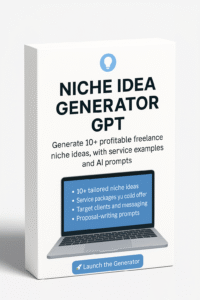
The Niche Idea Generator GPT
Struggling to choose a niche that actually pays?
The Niche Idea Generator GPT is your personal freelance strategist — powered by AI.
Just tell it your skills, background, and interests… and get:
- 10+ niche ideas tailored to YOU
- Real freelance service packages you could sell
- Target client types + value-driven messaging hooks
- Copy-paste GPT prompts to pitch and position yourself
Whether you’re just starting out or looking to refine your focus, this tool gives you instant clarity — without hours of overthinking.
No more overthinking. No more guessing. Just instant clarity — powered by AI.
Ready to find your freelance sweet spot?